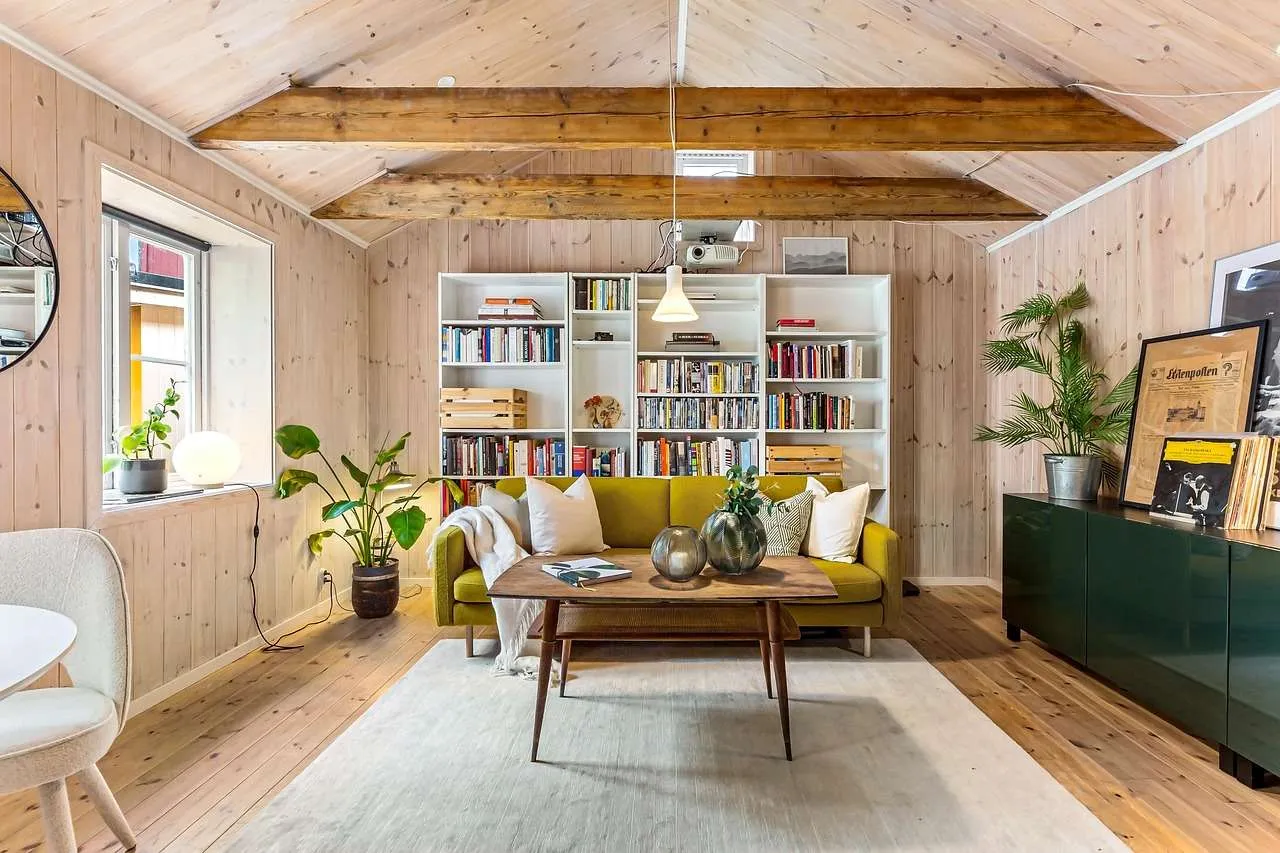
Home window tinting is the process of applying a thin film to the interior surface of glass windows to reduce sunlight and heat entering a space. It is a practical upgrade for homes in sunny climates and can be installed on living rooms, bedrooms, and skylights.
What is home window tinting?
Window films are engineered layers that reject infrared heat while letting in visible light. A properly installed tint can lower solar heat gain by a substantial percentage, reduce glare, and protect furnishings from fading.
Benefits of home window tinting
Energy efficiency and comfort
By reducing heat gain, tinting lowers cooling needs, which can translate to lower utility bills and a more consistent indoor temperature.
UV protection and fade resistance
Most films block 99% or higher of UV radiation, protecting floors, fabrics, and artwork from sun damage.
Glare reduction and privacy
Tint can reduce glare from the sun and neighboring lights, while some levels provide daytime privacy without blocking outside visibility.
Safety and security
Thicker films hold glass together if broken, reducing the risk of injuries and providing a deterrent to theft.
Types of home window tinting
Dyed window tint
Dyed films are affordable and provide good privacy. They are less effective at heat rejection than modern films and can fade over time.
Metalized and mirrored tint
Metalized films reflect heat but can interfere with electronics and GPS. They also may show a reflective appearance from the outside.
Carbon and ceramic window tint
Carbon and ceramic films offer strong heat rejection and color stability without metallic interference. They are typically more durable and maintain clearer visibility.
Combination and premium options
Some advanced films combine multiple layers to balance heat rejection, UV protection, and glare control while preserving view and clarity.
Table: Tint types at a glance
| Type | UV Rejection | Heat Rejection | Glare Reduction | Durability | Typical Cost | Notes |
|---|---|---|---|---|---|---|
| Dyed | Good | Moderate | High privacy | Moderate | Low | Budget option; fading possible |
| Metalized | Very high | Excellent | Moderate glare | High | Medium | May interfere with electronics |
| Carbon | Excellent | Excellent | Low reflectivity | High | Medium | Stable color |
| Ceramic | Excellent | Excellent | Low glare | Very high | High | Best for visibility and performance |
Choosing a professional installer
Look for installers with recognized industry credentials, such as certification from the International Window Film Association or similar bodies. Request written quotes, a warranty, and in some cases a heat loss/heat gain calculation to estimate potential energy savings.
Maintenance and expected lifespan
Maintenance is simple with routine cleaning using a soft, nonabrasive cloth. Do not use harsh chemicals. Most high quality films carry warranties of 5 to 15 years depending on the film and environment.
Conclusion
Summary: Home window tinting reduces heat gain, blocks UV light, lowers glare, and adds privacy while preserving your view. By choosing the right film, understanding installation requirements, and selecting a certified installer, you can maximize comfort and energy savings for years to come.